
It is important to remember that the weight of a person includes the weight of their bones. So when an individual’s bone density increases as they grow, so does their weight. Unfortunately, this increase in weight can bring up eating disorder thoughts, feelings and behaviours in children and adolescents.
Bone density is especially important for folks living with an eating disorder because damage to bone density cannot be repaired1.
Watch the Video!
Bone Density
The impact of eating disorders on bone density varies depending on whether an individual was born male or female. For the purpose of this blog, we will be referring to a youth’s sex – not gender. This the sex as defined by the reproductive organs at birth. We will be only discussing those born either female and male, as the effects on intersex individuals is a very complicated and unique topic!
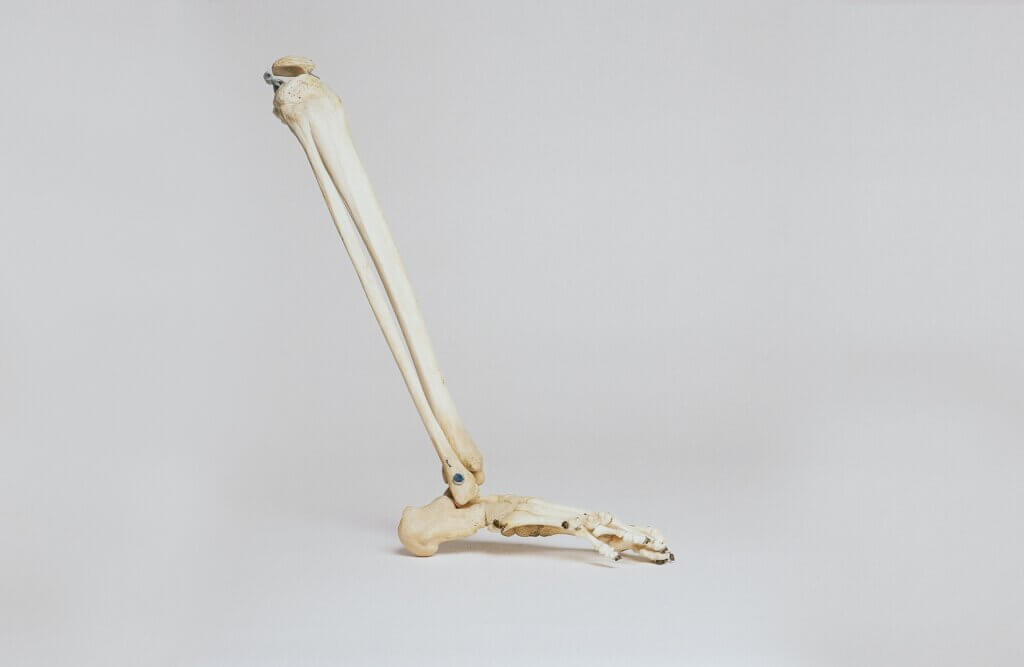
Anorexia nervosa is the most common eating disorder that leads to low bone density. This is because folks living with anorexia nervosa are more likely to have long episodes of starvation. If an individual has a low weight, lean body mass, low fat mass and/or amenorrhea – they are at a greater risk of having low bone density2.
Amenorrhea
Amenorrhea is the medical term used for when someone abnormally misses their period. This is often because of extreme exercise, high stress or a low food intake. Folks are diagnosed with amenorrhea if they typically have a regular period but have not had their period in three months. It can also be diagnosed if they typically have an irregular period and do not have their period for six months3. High levels of stress hormones in both males and females can decrease their bone formation4.
Females
Female bone density is different from male bone density largely because of the difference in reproductive hormones between the two sexes5. Both estrogen and testosterone play a role in bone formation. When a female has amenorrhea due to an eating disorder, it is likely that both of these hormones are lower than they should be6. Anorexia nervosa, and amenorrhea, can lead to a decrease in bone formation and an increase in bone reabsorption2. Both of these changes lead to lower bone density.
Most healthy females have achieved 92% of their total body bone content by the age of 184.
Most healthy females have achieved 92% of their total body bone content by the age of 184. By their late twenties, women have 99% of their bone mineral content. This is why early intervention in teens living with an eating disorder is so important – it helps to preserve bone density. Low bone density is not reversible, and leads to a higher risk of osteoporosis later in life7.
Males
In general, males have 90% of their total bone mass by the age of 208.
The impact of anorexia nervosa on bone density is much less studied in males than it is in females4. In general, males have 90% of their total bone mass by the age of 208. Similarly to females, males living with anorexia nervosa (or the binge/purge subtype) have an increased risk of osteoporosis7. Early intervention in male teens living with an eating disorder is crucial to maintain or improve their bone density. As we said above – this is an effect of the eating disorder that is not reversible with recovery.
How Can Individuals Avoid Complications From Low Bone Density?
Low bone accumulation (or a lowered bone density) as a teen puts folks at a higher risk for early onset osteoporosis and fractures. It also prevents them from achieving their peak bone mass. Luckily, there are ways to prevent someone’s bone density from getting worse if they are living with an eating disorder.
Hormone Replacement
In females, estrogen may be prescribed as a hormone replacement2. There is research that shows that supplementing estrogen may help to maintain or even improve bone density, and lower the risk of osteoporosis and fractures9. The tricky thing is there is very little research out there to support using estrogen in the form of oral contraceptives (birth control) for improving bone density in children and teens.
Supplementation
Vitamin D and calcium supplements can support bone health10. Both Vitamin D and calcium play a big role in both bone development and maintaining healthy bones. When folks consume a diet low in calcium and vitamin D, they oftentimes have low bone density. If someone is living with an eating disorder, especially anorexia nervosa, it is likely they have a diet that is very low in calcium and vitamin D because of their overall low food intake.
The Gold Standard: The Refeeding Process
The refeeding process is the gold standard for helping an individual to maintain or improve their bone density if they are living with an eating disorder. The refeeding process is necessary when any undernourished individual increases their caloric intake after consuming little to no food for a prolonged period of time. When an individual begins increasing their food intake, by default their intake of calcium and vitamin D will also increase.
To learn more about how to detect if your patient is living with an eating disorder, sign-up below for our free First, Do No Harm webinar.