
Treatment Modalities for Eating Disorders
Treatment for eating disorders involves a multidisciplinary team approach individualized to address the unique needs of each client. Our team will meet you at your current stage and design a treatment plan tailored to your unique needs. By taking the time to understand you as an individual and considering all facets of your life, we can offer practical and individualized recommendations. We then collaborate with you, the Registered Dietitian and the Registered Therapist to create the most suitable, individualized treatment plan.
- Nutrition Rehabilitation: The Registered Dietitian develops a nutrition care plan that ensures adequate nutrition. Eventually, nutrition goals will expand to gradually introduce a variety of foods.
- Psychotherapy: Our Registered Therapists are extensively trained in leading eating disorder treatment modalities. This includes Family-Based Treatment (FBT), Dialectical Behaviour Therapy (DBT), Cognitive Behavioural Therapy for eating disorders (CBT-e), and Emotion-Focused Family Therapy (EFFT), among others.
Members of the Treatment Team
At Change Creates Change, our team is trained in a dual-pronged approach that addresses both nutritional rehabilitation and mental health improvement for eating disorders. We believe that eating disorders start as mental health concerns and quickly begin to negatively impact physical health. Initially, we focus on treating malnutrition, then move on to addressing mental health concerns.
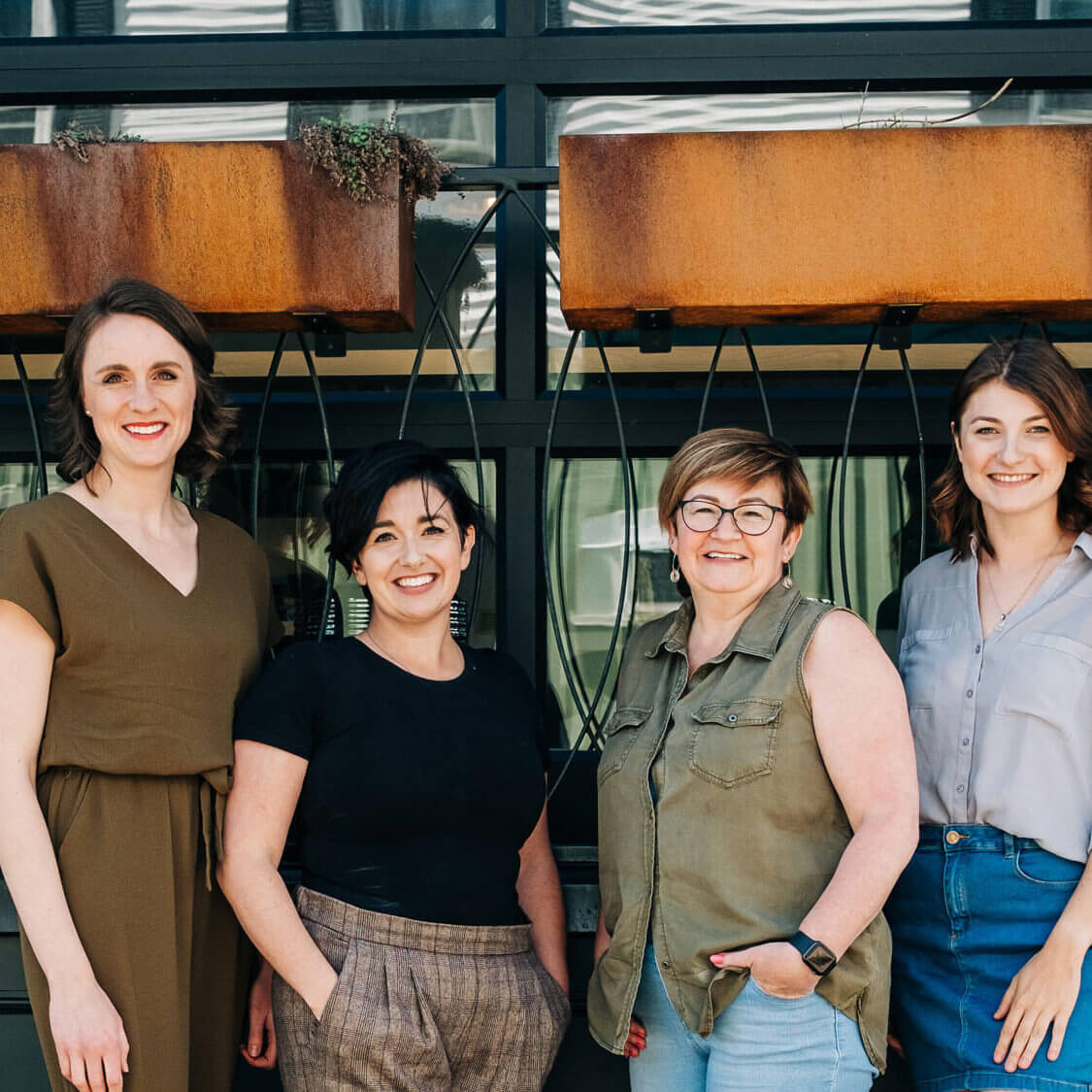
The members of the Change Creates Change team include Registered Dietitians and Registered therapists. Our health care providers collaborate weekly to provide comprehensive care, addressing both the nutritional and psychological needs of individuals.
Possible members of the larger (external) eating disorder treatment team include:
- Family Physician
- Pediatrician
- Psychiatrist
- Occupational Therapist
- Speech Language Pathologist
- Family Therapist
- School Counsellor/Educator
- Social Worker
Levels of Eating Disorder Care
Treatment for eating disorders can vary depending on the diagnosis, severity of the disorder and the individual’s specific needs. At CCC, our Registered Dietitians and therapists are equipped to provide outpatient care, including rehabilitation and various psychotherapies to address both the physical and mental health aspects of an eating disorder.





Readiness to Change
Recognizing the need for help for you or your child is a significant step in the journey toward recovery from an eating disorder. Recognizing the following signs can help initiate the process of seeking professional care and support for recovery.
Signs From Adults
- Acknowledge that your eating habits are negatively impacting your health and well-being.
- Feeling exhausted by the constant worries with food, body image, and weight.
- Experiencing a desire for change to improve relationship with food.
- Being open to talk about struggles and willing to share your experience with health care professionals.
- Recognizing that professional support can provide guidance for recovery.
Signs From Children
- Showing an interest in learning about balanced eating and well-being.
- Willingness to talk about their feelings and experiences with food.
- Demonstrating interest in participating in family meals or social activities that involve food, even if they find it challenging.
- Acknowledging the impact of their eating disorder on their daily life and expressing a desire for change.
Stages of Change
The "5 Stages of Change in Eating Disorder Recovery" is a model adapted from the Transtheoretical Model of Change, which outlines the phases individuals typically go through when overcoming an eating disorder. Understanding these stages helps individuals and healthcare professionals tailor interventions and support strategies effectively, facilitating a smoother and more sustainable recovery process:

Pre-contemplation
At this initial stage, individuals are not yet considering change or refusing changes. They may be unaware of the severity of their eating disorder or resistant to acknowledging it. Denial is common, and there is little to no intention to alter their behaviour in the near future.

Preparation
At this stage, individuals are planning to take action soon. They may start making small changes, seeking information, and setting goals. This stage involves a commitment to change and the development of a structured recovery plan.

Contemplation
In this stage, individuals start to recognize their eating disorder and its impacts. They begin to consider the possibility of recovery, weighing the pros and cons of changing their behaviour. Although they acknowledge the need for change, they are not yet ready to take action.

Action
Individuals actively implement their recovery plan during this stage. This involves engaging in behaviours to overcome the eating disorder, such as attending therapy, following nutritional guidelines, and adopting healthier coping mechanisms. This stage requires significant effort and support.

Maintenance
After achieving initial recovery goals, individuals work to sustain their progress and prevent relapse. This stage focuses on maintaining new behaviours, reinforcing positive changes, and continuing to seek support when needed. Long-term commitment and vigilance are crucial to avoid slipping back into old patterns.
Our team helps folks all across Canada both virtually and in-person.
If you suspect your child may be living with an eating disorder, it is important to get them the help they need as soon as possible - we know that early treatment provides the best chances of recovery. At Change Creates Change, we have Registered Dietitians and Registered therapists that offer nutrition counselling and therapy for eating disorders. Let us help you and your child get started on treatment today.
*Reserved for Canadian residents.