Please note: At Change Creates Change Eating Disorder Care, we do not use the term “atypical anorexia” or the terms “overweight,” “underweight” or “obese” in our practice, but we will for the purpose of this blog post.
What Does an Eating Disorder Look Like?
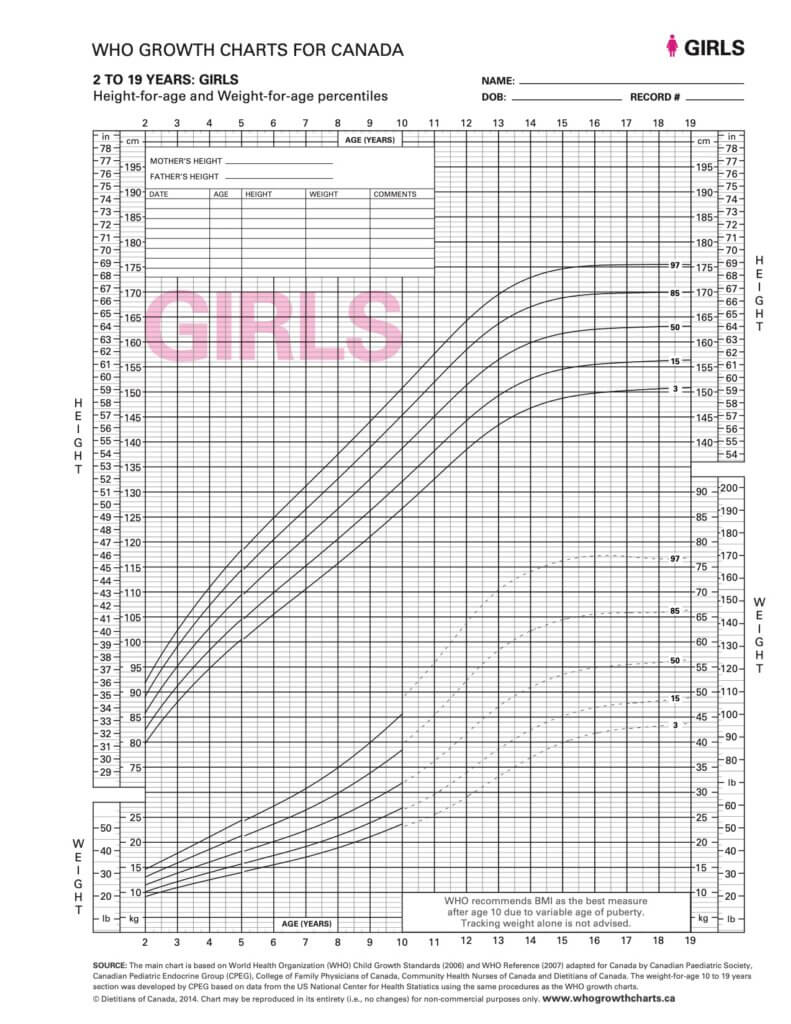
Imagine the following: two 16-year-olds are both around the 50th percentile for their height and have been tracking along their height curve. Based on their body mass index, one is “normal weight” and one is “obese”. One year later, the youth who is “normal weight” dropped off their curve and is now “underweight”. In the same time frame, the other adolescent dropped off their curve and is now “normal weight”. Both adolescents were restricting their intake, exercising excessively, and wanting to be “healthier”.
When thinking about which of these two 16-year-olds is living with an eating disorder we may think that the adolescent who is “underweight” appearing to be sick, malnourished, and emaciated is living with anorexia nervosa. For the other adolescent, we may be thinking that their “normal weight” is “healthy” especially now that they are no longer “obese”.
In both cases, because of the significant amount of weight loss, these youth are both likely to be medically unstable with malnutrition, a low heart rate, a low body temperature, blood pressure irregularities, and potentially electrolyte imbalances. It may be surprising to learn that this “normal weight” is not healthy for the previously “obese” adolescent because they have fallen off their growth curve. Even though they “don’t look anorexic” both youths are living with eating disorders.
Atypical Anorexia vs. Anorexia
What is atypical anorexia? Well, there is nothing atypical about atypical anorexia, despite its misleading name. Folks living with atypical anorexia experience the same physical, emotional, and mental symptoms as those living with anorexia nervosa. The only difference between the atypical anorexia DSM5 diagnosis and the anorexia DSM-V diagnosis is that those living with atypical anorexia don’t need to be “underweight” to be diagnosed. Less than 6% of folks living with an eating disorder are medically diagnosed as being “underweight”.
Like all eating disorders, atypical anorexia does not discriminate between sex, gender, age, socioeconomic status, race, and weight. As such, it is important to remember that anyone can be living with an eating disorder and weight should never be the only diagnostic criterion.
In fact, global data from a systematic review suggests that atypical anorexia occurs at a higher rate than anorexia nervosa. However, Canadian research demonstrates that in a tertiary care setting they are being treated at equivalent rates.
Treatment of Atypical Anorexia
If atypical anorexia occurs at a greater rate than anorexia nervosa, why is access to treatment between these two diagnoses equivalent? The society we live in values thinness and as such, restrictive eating behaviours are seen as “normal”. Consequently, folks with atypical anorexia may face unique challenges, especially if they are tracking along a higher growth curve percentile. Furthermore, youth with atypical anorexia may receive positive reinforcement for their weight loss from their peers, family, and even healthcare professionals.
Due to the weight stigma that is pervasive in society and the healthcare system, weight loss or lack of growth may be overlooked, resulting in delayed access to treatment. The scientific literature demonstrates that folks with higher weights are less likely to seek treatment for their eating disorders due to not meeting the “stereotypical” presentation of an eating disorder and the high value of thinness in our society.
Youth with atypical anorexia may feel they are failing their eating disorder and are not “thin enough,” “sick enough,” or that their weight isn’t “low enough” to warrant treatment. This leads to atypical anorexia being underdiagnosed and undertreated within the public health system, especially in systems that rely on weight-centric clinical practice. The research shows that youth at higher weights, regardless of whether or not they experience significant weight loss, are less likely to be referred for eating disorder treatment.
Symptoms of Atypical Anorexia
Weight-inclusive practices, such as Change Creates Change, don’t rely on weight as an indicator of health or the severity of eating disorder behaviours. We believe in early detection, intervention, and change to help individuals get on the road to recovery as soon as possible. Additionally, we believe that screening for eating disorders must go beyond weight and include physical, emotional, and behavioural indicators of health. At Change Creates Change, folks don’t need a formal eating disorder diagnosis to work with us.
Getting Help for an Eating Disorder
Recovery is possible, and our team of dietitians and therapists can support you and your child. If you would like to learn more about our unique approach to eating disorder recovery, book a free, 15-minute consultation call with us.
*Reserved for Canadian residents.