
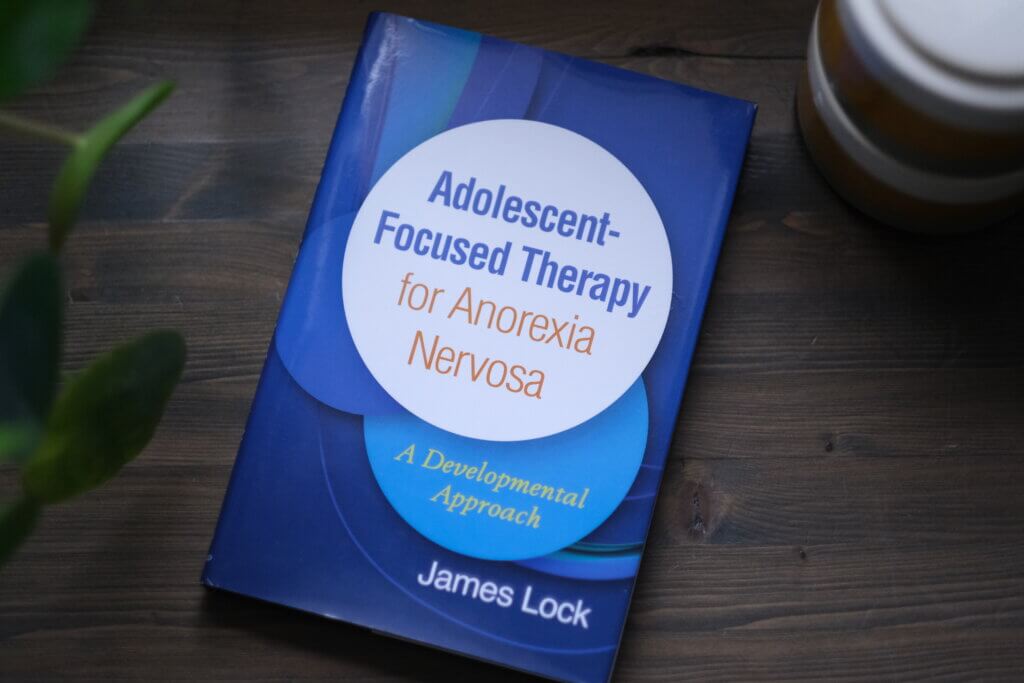
Adolescent-Focused Therapy for Anorexia Nervosa
By: James Locke
Description
From pioneering family-based treatment developer James Lock, this is the first comprehensive guide to adolescent-focused therapy (AFT) for anorexia nervosa (AN), an evidence-based individual approach. AFT is an effective alternative to family-based treatment that may be a better fit for some patients. Lock explains how AN serves as a maladaptive response to developmental challenges of adolescence. He presents a manualized framework for helping adolescents find more adaptive coping strategies, manage difficult emotions, and develop greater autonomy and a stronger sense of self, while reducing risky behaviors and restoring weight. AFT emphasizes the therapist–patient alliance and involves parents in a supportive role. Rich case material and sample dialogues illustrate how to implement each phase of the approach.
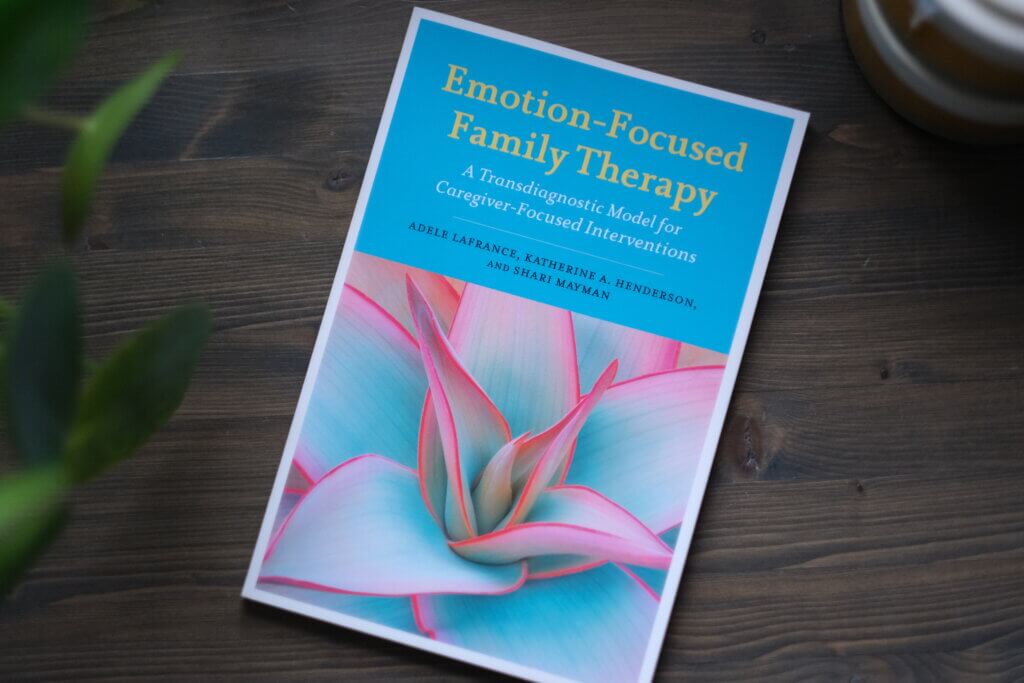
Emotion-Focused Family Therapy: A Transdiagnostic Model for Caregiver-Focused Interventions
By: Adele Lafrance, Katherine A. Henderson, and Shari Mayman
Description
This clinical manual describes how to use emotion-focused family therapy, an exciting new psychotherapeutic approach in which caregivers play a pivotal role in their loved ones’ treatment.
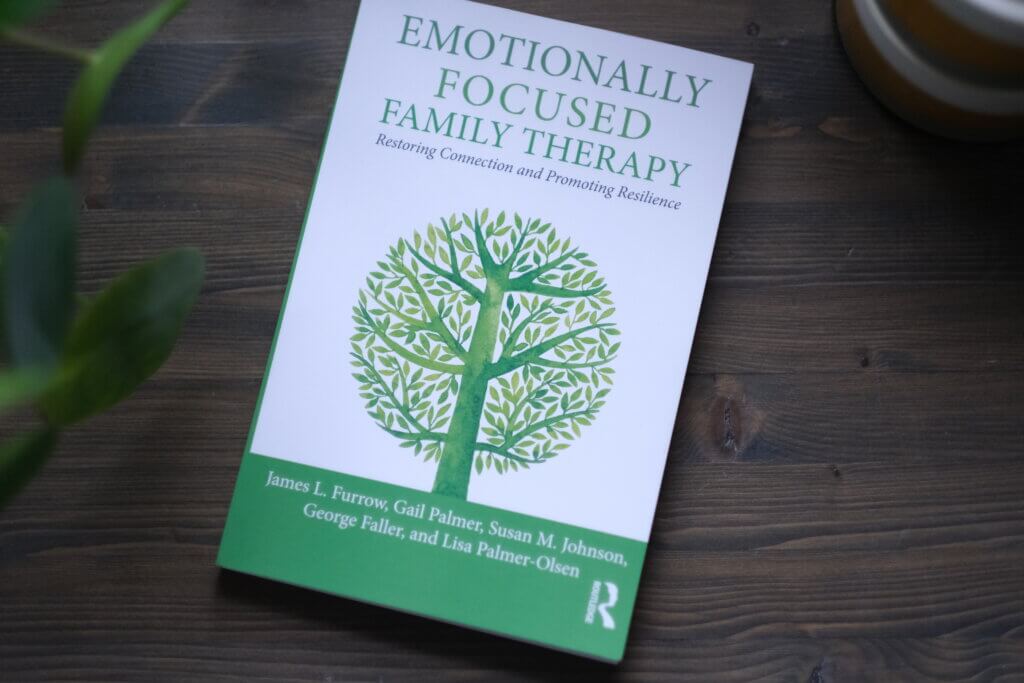
Emotionally-Focused Family Therapy
By: James L. Furrow, Gail Palmer, Susan M. Johnson
Description
Emotionally Focused Family Therapy is the definitive manual for applying the effectiveness of emotionally focused therapy (EFT) to the complexities of family life.
The book sets out a theoretical framework for mental health professionals to enhance their conceptualization of family dynamics, considering a broad range of presenting problems and family groups. The first section applies EFT theory and principles to the practice of family therapy. The second section explicates the process of EFT and examines the interventions associated with the EFT approach to families. In the final section, the authors provide case examples of emotionally focused family therapy (EFFT) practice, with chapters on traumatic loss, stepfamilies, externalizing disorders, and internalizing disorders.
Integrating up-to-date research with clinical transcripts and case examples throughout, Emotionally Focused Family Therapy is a must-read for therapists looking to promote the development and renewal of family relationships using the principles of EFT.
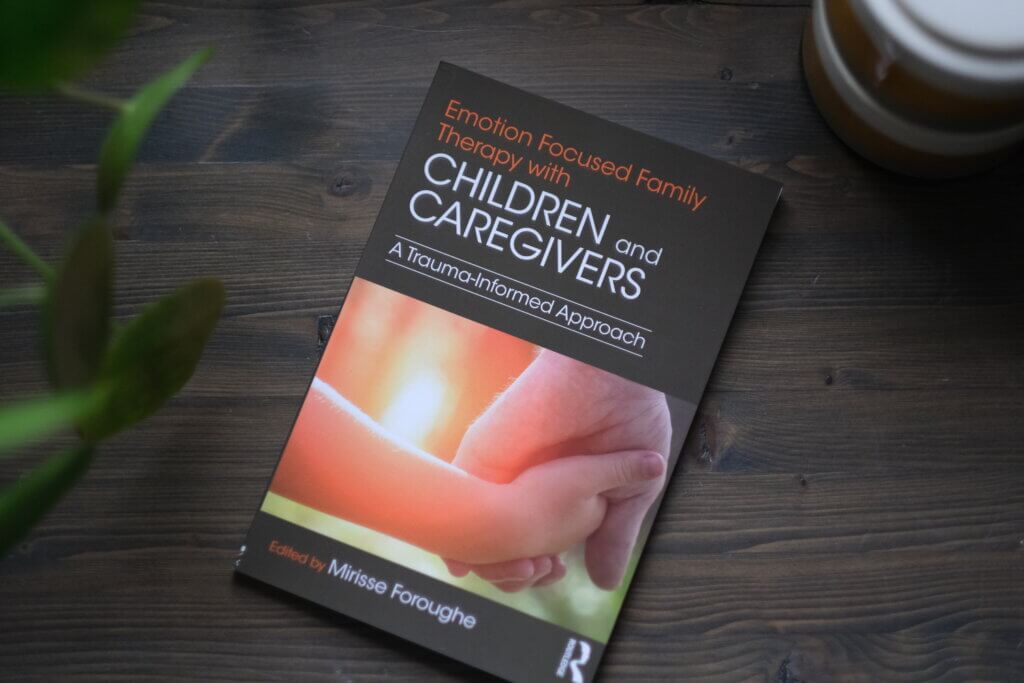
Emotion Focused Family Therapy with Children and Caregivers: A Trauma-Informed Approach
Edited by: Mirisse Foroughe
Description
This book introduces emotion focused family therapy (EFFT) as an evidence-based intervention for children through the integration of parent trauma treatment and emotion-focused techniques. A team of expert authors, including the founders of EFT and EFFT, contribute to the chapters, in which recent findings from longitudinal clinical trials are woven into a rich and deeply presented overview of using EFFT practically with clients. This immensely practical book also provides illustrative case studies, intervention strategies, and do’s and don’ts at the end of each chapter.
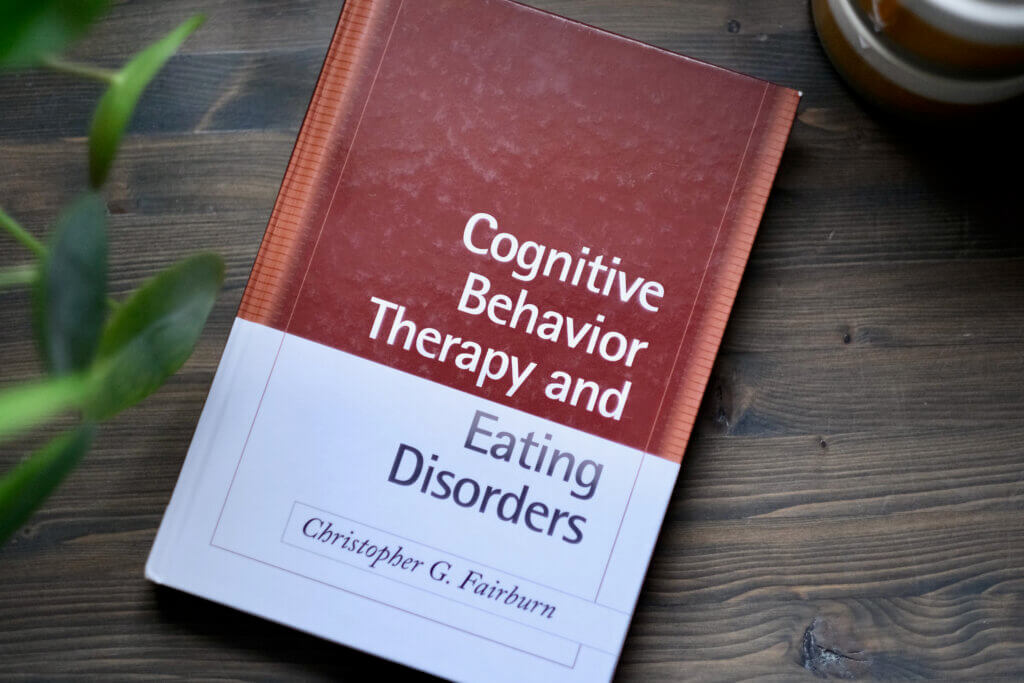
Cognitive Behavior Therapy and Eating Disorders
By: Christopher G. Fairburn
Description
This book provides the first comprehensive guide to enhanced cognitive behavior therapy (CBT-E), the leading empirically supported treatment for eating disorders in adults. Written with the practitioner in mind, the book demonstrates how this transdiagnostic approach can be used with the full range of eating disorders seen in clinical practice. Christopher Fairburn and colleagues describe in detail how to tailor CBT-E to the needs of individual patients, and how to adapt it for patients who require hospitalization. Also addressed are frequently encountered co-occurring disorders and how to manage them. Reproducible appendices feature the Eating Disorder Examination interview and questionnaire.
CBT-E is recognized as a best practice for the treatment of adult eating disorders by the U.K. National Institute for Health and Care Excellence (NICE).
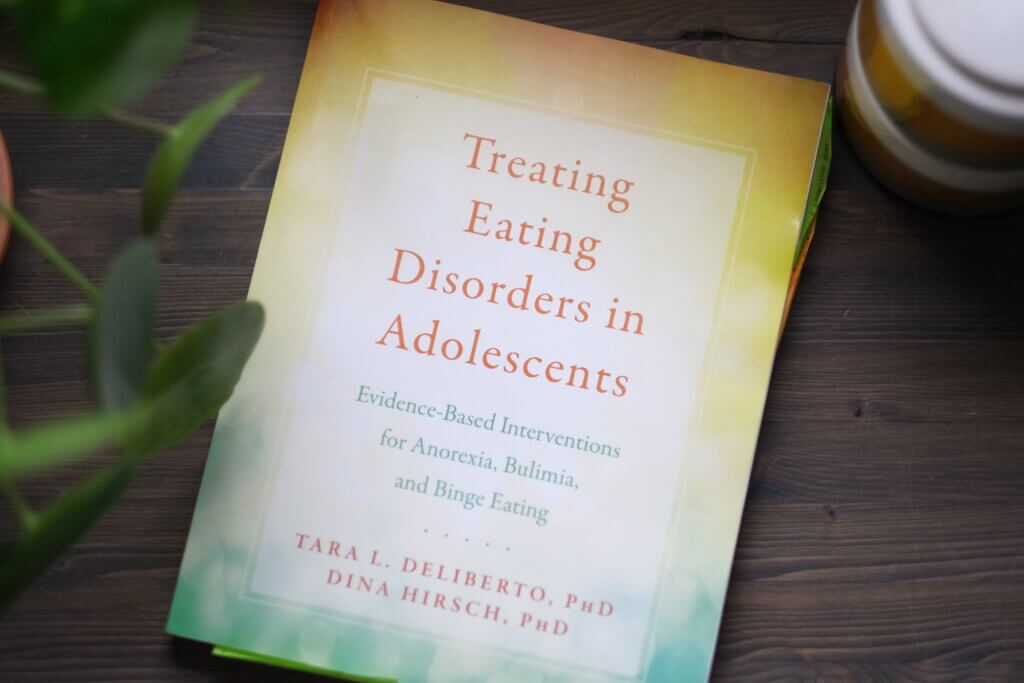
Treating Eating Disorders in Adolescents: Evidence-Based Interventions for Anorexia, Bulimia, and Binge Eating
By: Tara L. Deliberto, PhD, Dina Hirsch, PhD
Description
Two leading experts in eating disorders offer a comprehensive, evidence-based, and fully customizable program,Integrative Modalities Therapy (IMT), for treating adolescents with anorexia nervosa, bulimia nervosa, and binge eating.
If you treat adolescents with eating disorders, you need a flexible treatment plan that can be tailored to your patient’s individual needs, and which fully incorporates the adolescent’s family or caregivers. This book offers a holistic approach to recovery that can be used in inpatient or outpatient settings, with individuals and with groups.
The groundbreaking and integrative program, Integrative Modalities Therapy (IMT), outlined in this professional guide draws on several evidence-based therapies, including Maudsley family-based treatment (FBT), cognitive behavioral therapy (CBT), acceptance and commitment therapy (ACT), compassion-focused therapy (CFT), exposure therapy, and appetite awareness training. This fully customizable approach meets the patient where they are-emotionally and cognitively-throughout the process of recovery.
This book covers all aspects of the recovery process, including navigating family issues, meal planning, and more. Handouts and downloads are also included that provide solid interventions for clinicians and checklists for family members.
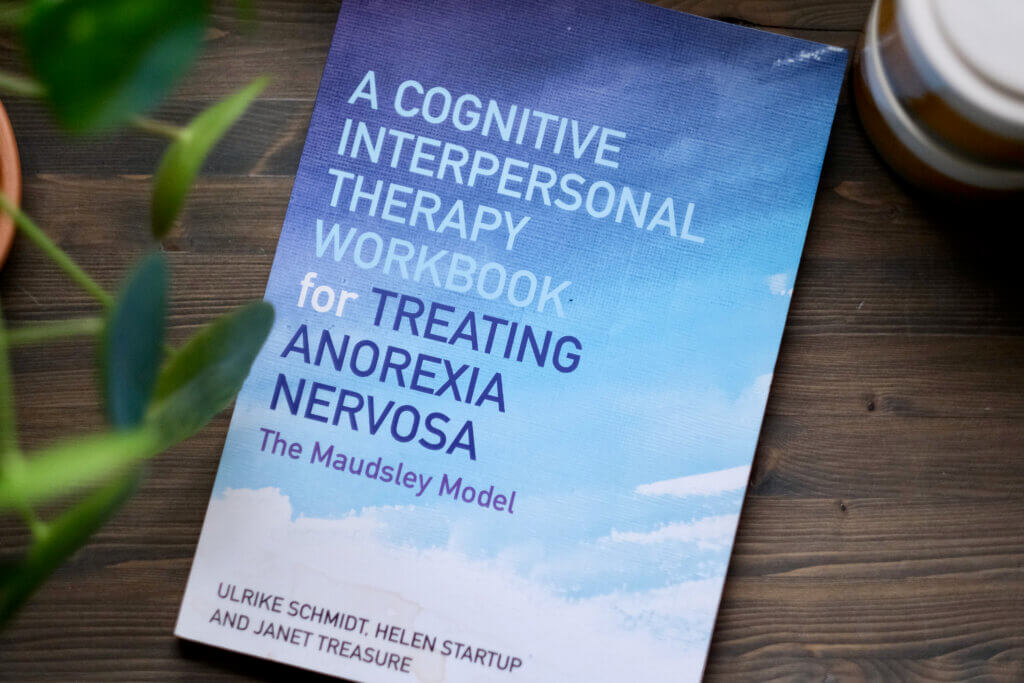
A Cognitive Interpersonal Therapy Workbook for Treating Anorexia Nervosa: The Maudsley Model
By: Ulrike Schmidt, Helen Startup and Janet Treasure
Description
Based on the authors’ pioneering work and up-to-date research at London’s Maudsley hospital, A Cognitive Interpersonal Therapy Workbook for Treating Anorexia Nervosa provides adults with anorexia nervosa and the professionals working alongside them with a practical resource to work through together.
The approach described is recommended by the National Institute of Clinical and Care Excellence (NICE) as a first-line, evidence-based treatment for adults with anorexia nervosa. A Cognitive Interpersonal Therapy Workbook for Treating Anorexia Nervosa provides adults with anorexia nervosa and the professionals working alongside them with a practical resource to work through together.
The manual is divided into accessible modules, providing a co-ordinated, step-by-step guide to recovery. Modules include:
- Nutrition
- Developing treatment goals
- Exploring thinking styles
- Developing an identity beyond anorexia.
A Cognitive Interpersonal Therapy Workbook for Treating Anorexia Nervosa is a highly beneficial aid to recovery for those with the condition, their families and mental health professionals.
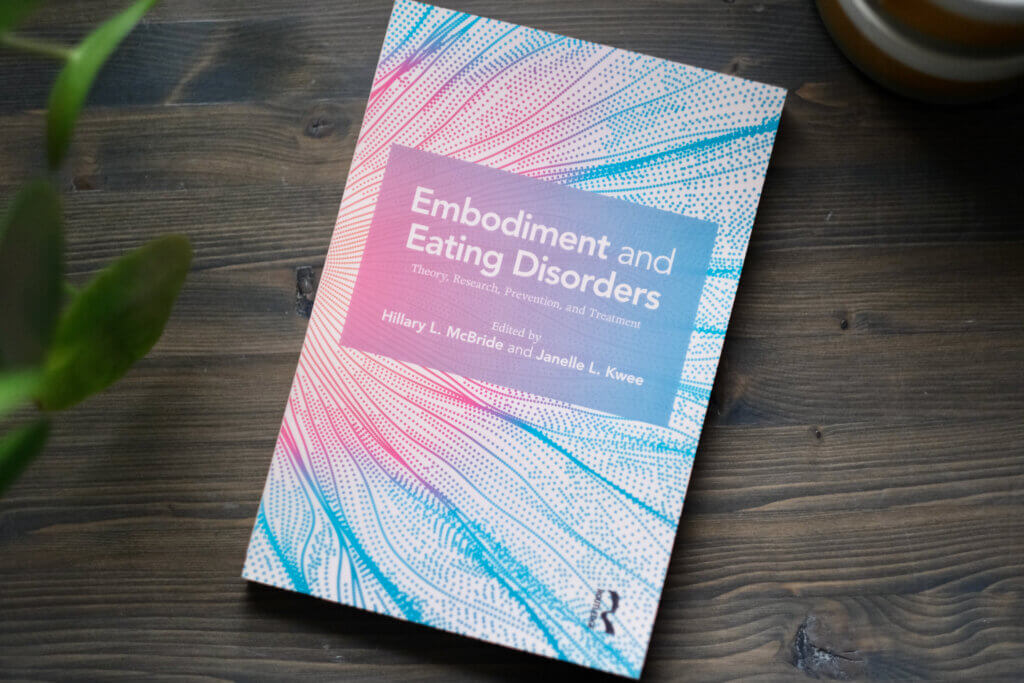
Embodiment and Eating Disorders: Theory, Research, Prevention, and Treatment
Edited By: Hillary L. McBride and Janelle L. Kwee
Description
This is an insightful and essential new volume for academics and professionals interested in the lived experience of those who struggle with disordered eating. Embodiment and Eating Disorders situates the complicated – and increasingly prevalent – topic of disordered eating at the crossroads of many academic disciplines, articulating a notion of embodied selfhood that rejects the separation of mind and body and calls for a feminist, existential, and sociopolitically aware approach to eating disorder treatment. Experts from a variety of backgrounds and specializations examine theories of embodiment, current empirical research, and practical examples and strategies for prevention and treatment.
Are you interested in learning more about how to support your patients who are living with an eating disorder? Sign up for our free webinar hosted by our Clinical Director, Jillian Walsh, RD, RP.