
Please note: At Change Creates Change Eating Disorder Care, we do not use the term atypical anorexia nervosa (atypical AN) or the term ‘underweight’ in our practice but we will for the purpose of this blog post. For more information on why we do not use these terms, stay tuned for an upcoming post on inclusive eating disorder care.
Atypical anorexia nervosa (AN) is recognized as an eating disorder under the category of Other Specified Feeding or Eating Disorder (OSFED) in the Diagnostic and Statistical Manual of Mental Disorders, Fifth Edition (DSM-5). Similarly to folks living with AN, folks living with atypical AN may severely restrict their caloric intake in an effort to lose weight.
Like all eating disorders, atypical AN does not discriminate. It can affect folks of all ages, shapes, and sizes. One-third of folks in inpatient eating disorder programs are diagnosed with atypical anorexia.
Watch the Video!
The Difference Between Atypical Anorexia Nervosa and Anorexia Nervosa
In contrast with other eating disorders, people must be considered ‘underweight’ to receive a diagnosis of Anorexia Nervosa according to the DSM-5. However, folks diagnosed with atypical AN do not need to be ‘underweight’ to receive the formal diagnosis. In fact, folks living with atypical AN have the same spectrum of eating disorder behaviours, such as restricting caloric intake, and similar physical complications to those living with AN.
It is important to recognize that atypical AN is just as serious as AN. Both atypical AN and AN must be taken seriously and treated by medical professionals.
Atypical Anorexia Symptoms
As we mentioned above, the main difference between someone living with anorexia Nervosa and atypical anorexia nervosa is whether or not they are considered ‘underweight’. Therefore, the symptoms of AN and atypical AN are virtually identical, except that folks living with atypical AN do not need to be considered ‘underweight’ to receive a diagnosis.
Emotional and Mental Symptoms
- Increased irritability
- Trouble concentrating, having a harder time focusing
- Withdrawing from friends and family
- Isolating themselves, spending more time alone
- Needing to do things perfectly (also called perfectionism)
Physical Symptoms
- Weight loss or a lack of appropriate weight gain
- Abdominal pain and/or GI (stomach/digestion) pain
- Dizzy, lightheaded
- Feeling cold all the time
- Dressing in many layers, baggy clothing to hide themselves
How Atypical Anorexia is Diagnosed
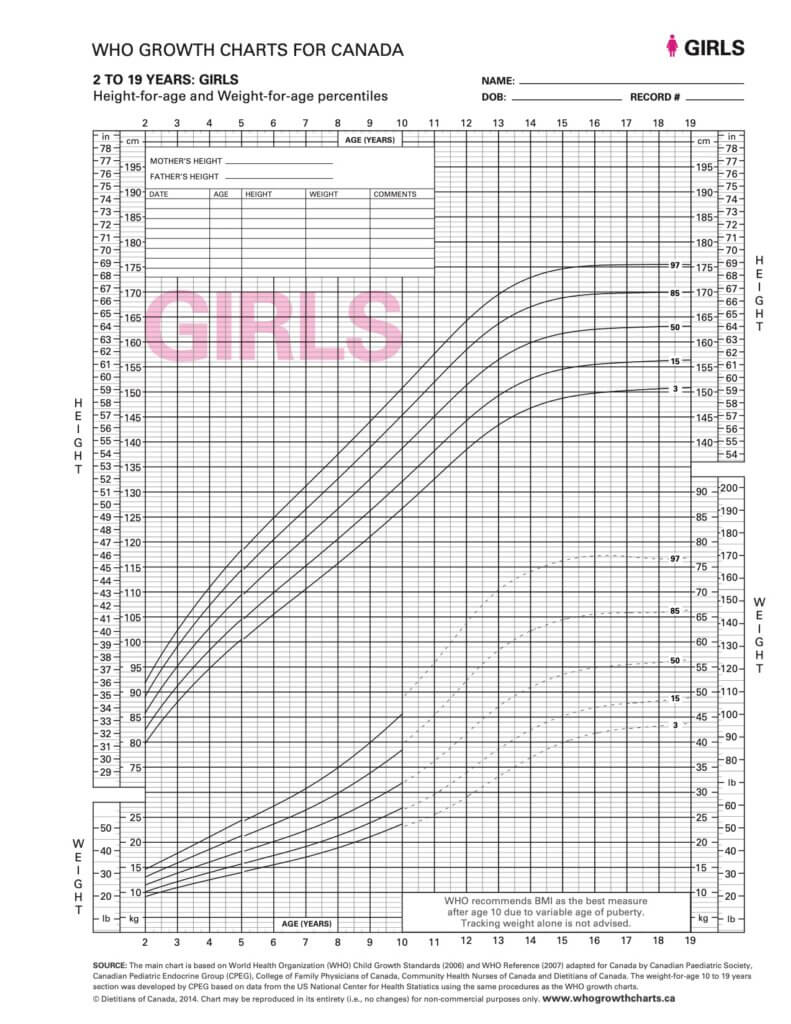
Atypical AN can be diagnosed based on the presence of the symptoms above and based on your child’s growth curve. Your child should not fall off their growth curve, because they are constantly growing! Therefore, your child should never be losing weight or not gaining weight as they grow. At Change Creates Change, we always say your child should never weigh less than they did the day before.
Make sure to speak to your child’s doctor if you are concerned with your child’s weight or behaviours surrounding food and/or believe your child may be living with an eating disorder. Early intervention is one of the strongest predictors of success in recovery! In fact, research shows that early intervention has the best outcome for eating disorder recovery.
Research shows that early intervention has the best outcome for eating disorder recovery.
Atypical Anorexia Nervosa Vs Bulimia Nervosa
Similarly to atypical AN, folks living with bulimia nervosa (BN) may not present as ‘underweight’. Folks living with atypical AN severely restrict their intake. In contrast, folks living with BN may not restrict their intake. However, folks living with BN fall into the ‘binge-purge cycle’, where they binge eat a large quantity of food and then purge the food they consumed.
Binging is not the same as overeating. Binging is when an individual consumes a larger amount of food than most people would in a similar situation and time frame. An individual living with BN can purge foods by self-inducing vomiting, extreme exercise or the use of medications such as laxatives. Purging (or compensatory) behaviours are used by folks living with BN as a way to avoid weight gain after a binge episode.
Atypical Anorexia Recovery and Treatment
The treatment for atypical anorexia nervosa is similar to that of anorexia nervosa. Treatment will focus on the eating disorder behaviours as well as beliefs about self, body, and weight. Your child will work with a multidisciplinary team of healthcare professionals. This team will include a doctor, dietitian nutritionist and therapist.
We know recovery is possible, and our team of dietitian nutritionists and therapists are here to support both you and your child each step of the way. If you would like to learn more about our unique approach to eating disorder recovery, book a free, 15-minute consultation call with us.
*Reserved for Canadian residents.