Disclaimer: This blog focuses on 2SLGBTQ+ individuals who have experienced eating disorders. Due to the long-standing (and inaccurate) narrative of eating disorders mainly affecting white, middle-class, heterosexual, cisgender, teenage females, the treatment of eating disorders is largely informed by how they present within this demographic. It is imperative to continue to challenge and change this ideology and pursue efforts to better understand how eating disorders may present and be treated for folks in the 2SLGBTQ+ community.
A note on language (via the Public Health Agency of Canada):
“Language is dynamic, shifting and changing over time. These definitions are not meant to be understood as exhaustive, absolute, exact, or static. Think of these definitions as approximations that may be used differently by various people and communities. This is a starting place; there are many more terms in existence than we have space for. There are terms specific to diasporic cultures, and Indigenous communities within Canada as well as terms commonly used outside of Canada that we have not included here. It is important to respect how someone self-identifies and use the language they use to describe themselves.”
Eating Disorders and Disordered Eating in the 2SLGBTQ+ Community
In general, folks who identify as 2SLGBTQ+ tend to experience disproportionately higher rates of eating disorder and/or disordered eating behaviours in comparison to the general population.
The numbers don’t lie:
- 20% or more of gay and bisexual men report engaging in eating disorder behaviours as a means to control their weight, while 5% of heterosexual men report the same behaviours
- 30% or more of transgender folks report eating disorder behaviours, this is higher than any other demographic (including cisgender, heterosexual females)
The prevalence of eating disorders and disordered eating behaviours varies across different subgroups within the 2SLGBTQ+ community, and more research is warranted for us to gain a better understanding of how eating disorders manifest and how they can be best treated within these subgroups. Each subgroup is subject to a different set of experiences and risk factors, and more research is needed to learn more about them. While some risk factors for developing an eating disorder or disordered eating behaviour may be common across the 2SLGBTQ+ community, others are more prominent in specific subgroups within the community. It is important to remind ourselves that just as no two individuals are the same, each eating disorder or disordered eating experience will be unique. Some may be easier to identify than others; however, all these behaviours and manifestations are serious and deserve to be treated as such.
Here is what we know right now:
Gay, Lesbian, and Bisexual adolescents may experience higher rates of:
- Body image dissatisfaction
- Higher BMI
- Lack of physical activity
- Lack of support from adults
- Being bullied and/or cyber bullied by peers
- Depression, anxiety, and excessive alcohol use
- Achieving sexual minority developmental milestones at a younger age
Transgender and Non-Binary adolescents may experience higher rates of:
- Body image dissatisfaction
- Higher BMI
- Gender dysphoria
- Feeling unsafe at school
- Self-criticism
- Lack of timely gender dysphoria management
- Suicide ideation, attempt, or self-harming behaviour
As we can see, the experiences and risk factors for eating disorders and disordered eating behaviours across 2SLGBTQ+ subgroups are varied, but serious. These stressors can accumulate and compound and result in significant negative physical, mental, emotional, sexual, and spiritual health outcomes, such as eating disorders and disordered eating behaviours.
Eating Disorder Recovery and Treatment as a 2SLGBTQ+ Person
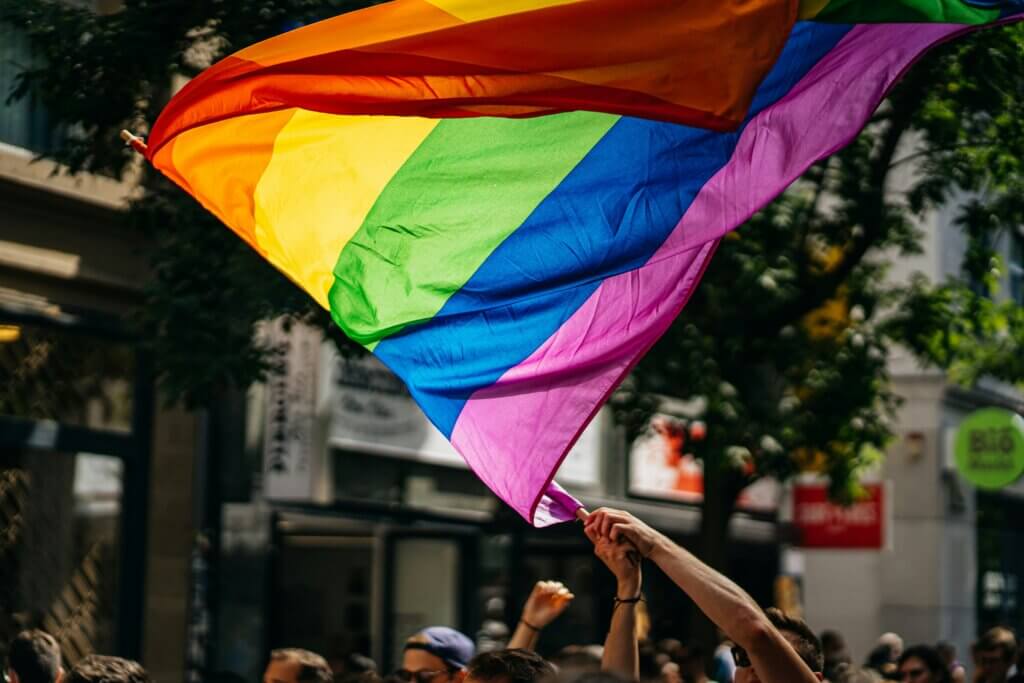
As eating disorder care providers, we are constantly striving to provide better, evidence-based, and trauma-informed care to folks in the 2SLGBTQ+ communities. New research has found that some 2SLGBTQ+ folks have still experience a fear of judgement and otherness and shame in their identity when they seek eating disorder support. In response to these findings, eating disorder treatment providers across Canada continue to strive to improve the experiences of 2SLGBTQ+ folks who seek eating disorder treatment by:
- increasing their focus on trauma-informed approaches to eating disorder treatment (this helps to ensure that 2SLGBTQ+ folks feel comfortable to share their experiences with their treatment team)
- increasing their education in 2SLGBTQ+ terminology and gender expression
- increasing diversity within eating disorder treatment teams
How Can We Support Our 2SLGBTQ+ Peers?
As friends, parents, colleagues, teachers, and other supporters, we can continue to educate ourselves and others and raise awareness about the increased risk of eating disorders and disordered eating behaviours within the 2SLGBTQ+ community. We can demand more research be conducted regarding the best eating disorder treatment practices for 2SLGBTQ+ folks. We can also strive to cultivate inclusive environments for our 2SLGBTQ+ peers wherever we are situated.
Where to Seek Eating Disorder Treatment as a 2SLGBTQ+ Person
When treatment modalities have not been created with us in mind, and we do not see 2SLGBTQ+ health care providers in our treatment team, we can be left feeling isolated and misunderstood. Our healthcare system continues to incorporate more 2SLGBTQ+-informed care into their practices; however, we understand that this takes time. Therefore, we recommend seeking out eating disorder support and treatment through organizations and healthcare teams who have experience in treating folks in the 2SLGBTQ+ community.
As we begin eating disorder treatment, it can be helpful to bring our experiences to the members of our treatment team. Being transparent and honest with our treatment team can help ensure they are informed of any of our traumas and triggers. This allows them to develop a more effective and informed treatment plan that meets our needs.
At Change Creates Change, we have experience in treating 2SLGBTQ+ folks living with eating disorders and disordered eating behaviours. If you are seeking treatment for an eating disorder, you can book a consultation call with us below.
*Reserved for Canadian residents.