Social media literacy is increasingly important as we spend more time on our phones, on social media platforms, and engaging in a virtual world. There are many benefits to the accessibility of media today, but there are also many drawbacks.
Improving our social media literacy means being aware of this and being able to analyze what we see and then decide whether or not this information is true, while also recognizing what type of influence it has on us. Analyzing content on social media faces the challenge that what we see is subjective, and often self-validating, or a form of self-expression or social belonging. If we are not self-aware, it can be more difficult to objectively analyze what we see in our feeds.
Diet culture is heavily present on social media. This can be very problematic for folks who are triggered by this content or who are living with an eating disorder. Social media platforms are often used to sell weight loss and fuel diet culture, so it’s important for us to build upon our social media literacy skills in screening through this type of content. We must also remember that we have some control over what we let into our social media feeds, and can implement changes that might eliminate some of this triggering content.
Harmful social media images to consider removing from our feeds
- Before and after photos
- “What I eat in a day” type posts
- Restrictive dieting accounts
- Celebrities that contribute to poor body image within ourselves
- Anything that leaves us feeling unhappy about ourselves after we engage with it. Take a note of what you feel when you see these images, posts, or accounts and try to avoid engaging in this content.
Why before and after photos are especially harmful
- We don’t need to change our bodies to be any more worthy, beautiful, or loved.
- Those who are posting these photos are likely trying to sell us the latest product or program or are trying to validate why they bought into it themselves.
- Anyone promising a “quick fix” or trying to sell us on changing our weight, shape or appearance is deeply rooted in diet culture and may even be suggesting some form of restriction that is not good for us. These “quick fixes” are not real life, and we do not need to change our weight, shape or appearance.
- We know that diets don’t work. We must also be aware that aside from that many of these photos are altered or taken at an angle or in a setting where they can be deceiving. Improving our social media literacy and being able to recognize photos that are deceiving can help us analyze what we see compared to what is reality.
- Although it is often celebrated due to the prevalence of diet culture in our society, being thinner does not equate to being “healthier”. We don’t know what other factors may contribute to someone’s weight loss, making these types of photos especially harmful for those with disordered eating patterns. We do not want to celebrate or condone the idea that we need to lose weight or look a certain way.
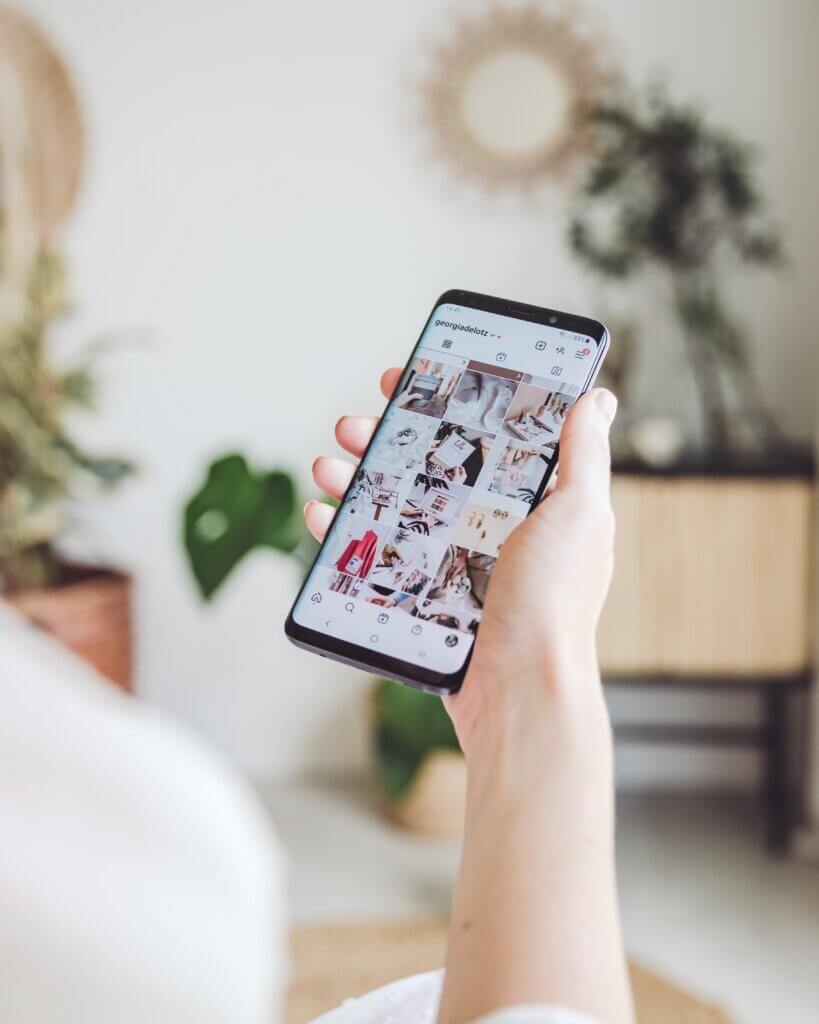
We know that increased use of social networking platforms and particularly posting photos on social media has been linked to increased risk factors for eating disorders. Risk factors include body image issues, desire to fit within the “thin ideal” and restrictive eating habits.
Increased social media literacy education may reduce the prevalence of risk factors associated with eating disorders, such as body dissatisfaction and dietary restraint. So, the more we know about social media literacy and the effect that social media messaging has on us, the better equipped we are to combat its negative influence when it comes to risk factors for eating disorders.
Tips for improving social media literacy
- Think about who is posting the photo and WHY they are posting it. What is their motive? Are they trying to sell us something? Are they trying to promote something? Could they be struggling with poor body image themselves?
- Ask ourselves if this post is rooted in diet culture. Are they trying to influence us into believing that we need to conform to an unrealistic ideal?
- Unfollow accounts that post photos that make us feel less than and curate our feeds so that we have positive influences more so than negative ones.
- Increase our awareness of media literacy and how certain posts affect us.