
The refeeding process can be challenging and confusing – there should be no food rules or restrictions during the process. Both you and your child likely have a lot of questions about the refeeding process. In this blog post, we will answer some of the most common questions we get from parents and their children about the refeeding process.
Watch the Video!
Is it normal for my child to feel anxious or overwhelmed in the beginning stages of the mechanical eating or the refeeding process overall?
When the body is undernourished for a long period of time, its systems become dormant. This means that the body’s systems shut down in order to survive. When your child begins the refeeding process, all of a sudden their systems that have laid dormant for a long time “wake up”. Not only will your child’s systems “wake up”, so will their emotions. Suddenly, your child will have to confront their emotions that were repressed during their long period of malnourishment. They must do this while also undergoing the refeeding process – this is very challenging!
So yes, it is completely normal for your child to feel anxious or overwhelmed at the start of the refeeding process. Working with a nutrition therapist during the refeeding process can help your child work through their emotions.
How will my child know if they’re hungry? What if their body doesn’t tell them?
When your child is going through the refeeding process they should not rely on their hunger and fullness cues. This is because your child’s hunger and fullness cues were so used to being ignored when your child was living with an eating disorder that they have shut down. Unfortunately, it can take a long time for your child’s hunger and fullness cues to be restored.
Mechanical Eating
At the start of the refeeding process, your child should follow mechanical eating instead of relying on their hunger and fullness cues. Mechanical eating focuses on consuming specific quantities of food at specific times each day, rather than focusing on eating based on the body’s hunger and fullness cues. After following mechanical eating for a while, your child will begin to feel their hunger and fullness cues again.
When your child begins to feel hunger and fullness cues again, they may be afraid of the feeling of hunger. If so, you can remind them that feeling hunger and fullness cues helps us to survive. One your child begins to feel these cues again, they can begin to follow intuitive eating. Intuitive eating refers to eating based on one’s hunger and fullness cues. It is also the ultimate goal of your child’s eating disorder recovery.
Working With a Dietitian
During the refeeding process, we recommend working with a dietitian who is specially trained in eating disorders. We recommend this because they will be able to prescribe your child a nutrition care plan based on their individual needs. The nutrition care plan they prescribe will also follow mechanical eating.
How will my child know if they are eating too much or too little?
It is not you or your child’s job to make sure they are eating enough food. If your child is working with an eating disorder team, they will have prescribed your child with an individualized meal plan. This meal plan will follow mechanical eating and will meet your child’s nutritional needs. In addition, your child’s team will have included an entire roadmap to recovery in the individualized meal plan. All you have to do is make sure your child is following the plan properly.
Some individuals experience gastrointestinal issues during the refeeding process. Possible gastrointestinal issues your child may experience are bloating and excessive gastric reflux. Luckily, your child’s dietitian can tailor your child’s meal plan so it reduces any gastrointestinal issues they experience. In other words, a dietitian will help your child to manage any gastrointestinal issues they experience to make the refeeding process as smooth as possible for both you and your child. This is another reason why we recommend your child works with a dietitian during the refeeding process.
Why can my child not follow Canada’s Food Guide for eating normally?
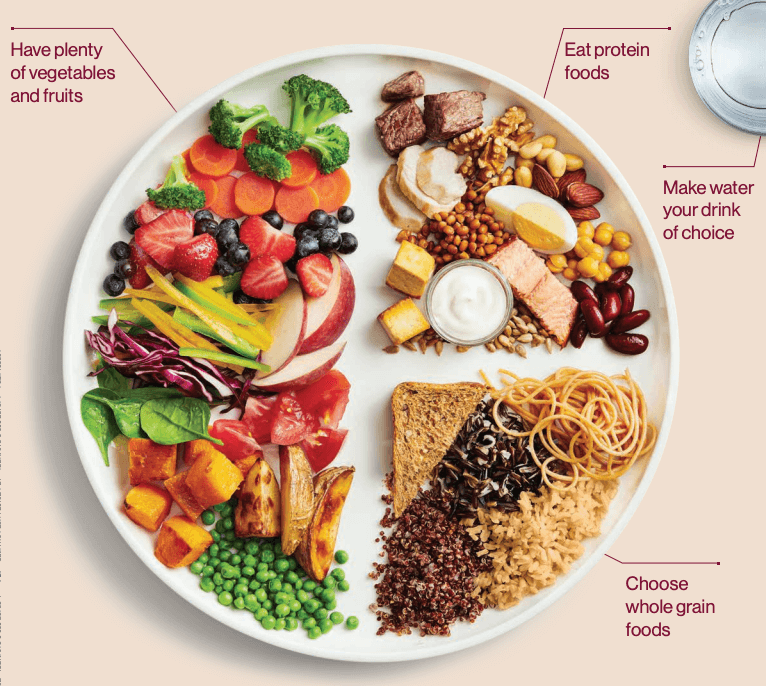
Unfortunately, Canada’s Food Guide is not individualized. Instead, it offers nutritional recommendations for the general population. Eating disorder recovery cannot follow a one-size-fits-all approach. It must be individualized and should place emphasis on mechanical eating.
For example, one of the Canada’s Food Guide healthy eating habits is to notice when you are hungry or full. As we explained above, when your child is undergoing the refeeding process it is unlikely that their hunger and fullness cues are working properly and they will not be able to identify if they are hungry or full. This means that following this healthy eating habit is not possible in eating disorder recovery, and this example demonstrates that Canada’s Food Guide is not individualized.
Eating disorder recovery cannot follow a one-size-fits-all approach.
Change Creates Change Eating Disorder Care can help you navigate the refeeding process and answer any questions you may have about the process. We can also create individualized meal plans for your child’s refeeding process. Click below to book a free 15-minute consultation call with us, to learn about how we can help you and your child.
*Reserved for Canadian residents.