
What is ADHD?
Attention-deficit hyperactivity disorder (ADHD) is a psychiatric condition recognized in the Diagnostic and Statistical Manual of Mental Disorders, Fifth Edition (DSM-5). It can be diagnosed at any age and can be categorized as inattentive, hyperactive/impulsive or combined type. Previous versions of the DSM recognized Attention Deficit Disorder (ADD), but ADD has since been changed to fall under the umbrella of Inattentive ADHD instead.
ADHD Symptoms
Some common symptoms of ADHD include:
Hyperactive/impulsive
- Difficulty sitting still
- Difficulty being quiet
- Impatience
Inattentive
- Careless mistakes
- Difficulty concentrating
- Misplacing items
Symptoms of ADHD Combined Subtype are a combination of hyperactive/impulsive and inattentive symptoms.
Treatment for ADHD
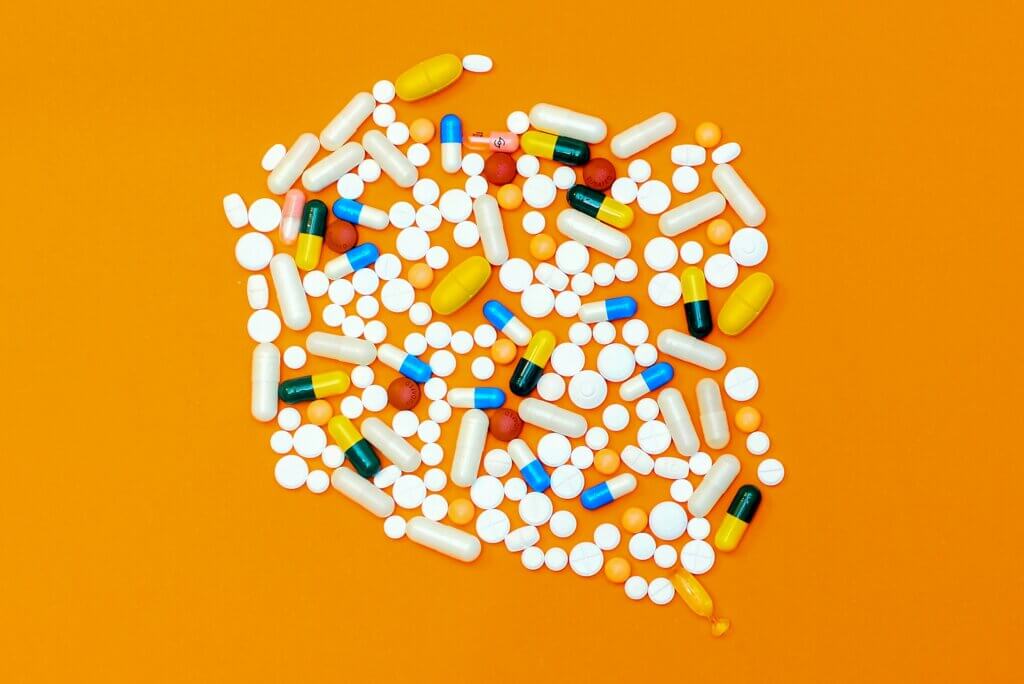
Medications are often prescribed for folks living with ADHD and they are considered ‘first line’ treatment. The two types of medications prescribed are categorized as stimulants and non-stimulants. Simulants are the more commonly prescribed medication, known as the ‘first line’ medication and work well for about 70% of folks living with ADHD. Non-stimulants are the ‘second line’ medication for ADHD treatment.
There are also other non-medication treatments for ADHD, such as behavioural therapy, which are typically explored alongside medication interventions. Behavioral therapy has been found to be effective when combined with medications. In children, behavioural therapy can focus on different symptoms of ADHD like school performance.
Cognitive Behavioral Therapy (CBT) has also been shown to be an effective non-medication treatment. CBT is a therapy modality used as treatment across a wide variety of psychiatric diagnoses.
ADHD Medication Side Effects
While stimulants are highly effective medications for folks living with ADHD, they come with many side effects. Two of the main side effects are lack of appetite and sleep. Lack of appetite often leads to reduced nutritional intake which can be harmful, especially to children, who are still growing.
Notably, research suggests that growth, in the form of height, is slowed in children taking stimulants for ADHD. This is related to poor nutritional intake due to poor appetite. In one research study, children whose parents actively encouraged them to eat at mealtimes still lost weight.
ADHD Medications for Eating Disorders
Currently, research does not support the use of ADHD medications to treat anorexia nervosa or bulimia nervosa. In fact, folks living with eating disorders may be at a higher risk of misusing stimulant medication to decrease appetite.
Dietitian Nutritionist for ADHD
Is your child starting a stimulant medication for ADHD? One of our Registered Dietitians can work with you to create a meal plan that works well for their busy schedule. Working with a dietitian can help to ensure that your child is eating enough nutrition to support proper growth and development. Even if your child is growing well and tracking on their growth curve, they may not be meeting their nutritional needs. It can be helpful to speak with a dietitian to avoid any future health challenges from malnutrition.
Here are some tips from a dietitian to get you started:
- Consider trying liquid foods when your child’s appetite is poor
- Try smaller, more consistent meals
- Choose nutritionally dense foods, such as nuts and dairy, first
- Speak to your child’s teacher about encouraging them to eat at school mealtimes
- Choose foods that your child enjoys
- Talk to your child’s doctor about changing their medication regimen so their appetite is higher at mealtimes
Let us help.
Change Creates Change dietitian nutritionists can assist you with or your child with navigating ADHD appetite changes from medications. We see clients across Canada virtually and in-person. Book a free consultation call today to learn more about how we can help.
*Reserved for Canadian residents.