“We Don’t Need Therapy”: Why Couple, Family, and Relational Therapy May Be Helpful for You
Couple and Family Therapy When there is a stressor or a family member in crisis, it impacts everyone. In a…

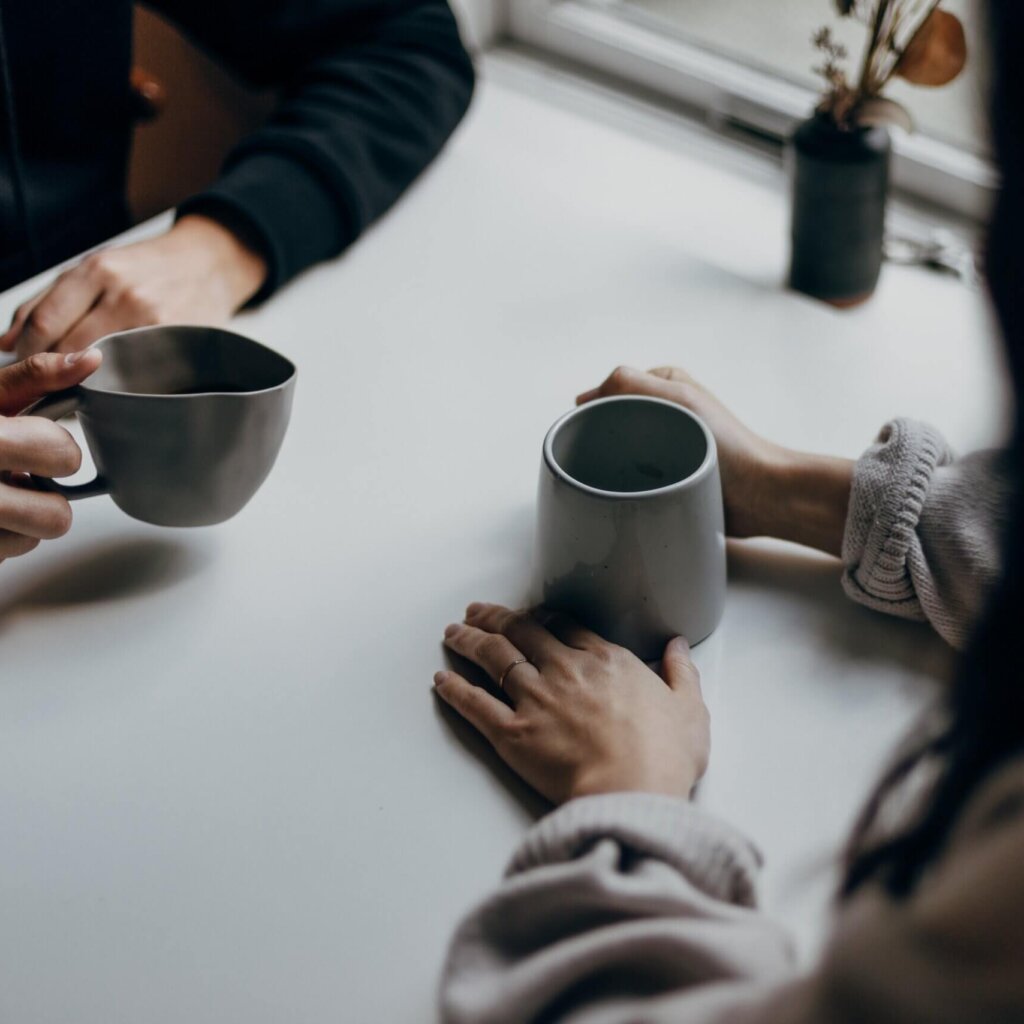
Couple and Family Therapy When there is a stressor or a family member in crisis, it impacts everyone. In a…
Mealtimes can be challenging in eating disorder recovery because they can cause heightened anxiety. Meal support can help to alleviate…
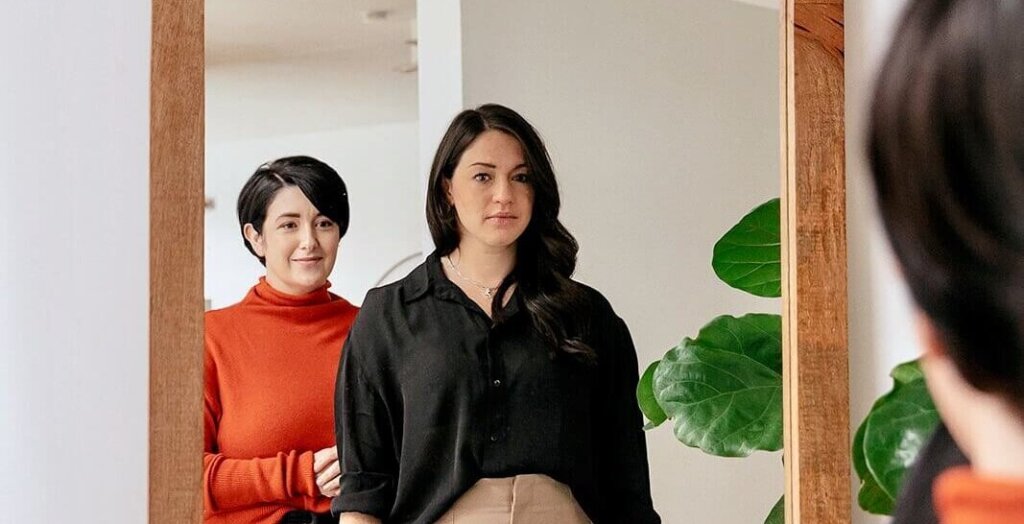
What is the Difference Between Body Positivity and Body Neutrality? Developing a healthy relationship with our bodies can be challenging….

In honour of Black History Month, we would like to focus on the impact of race and racism on eating…
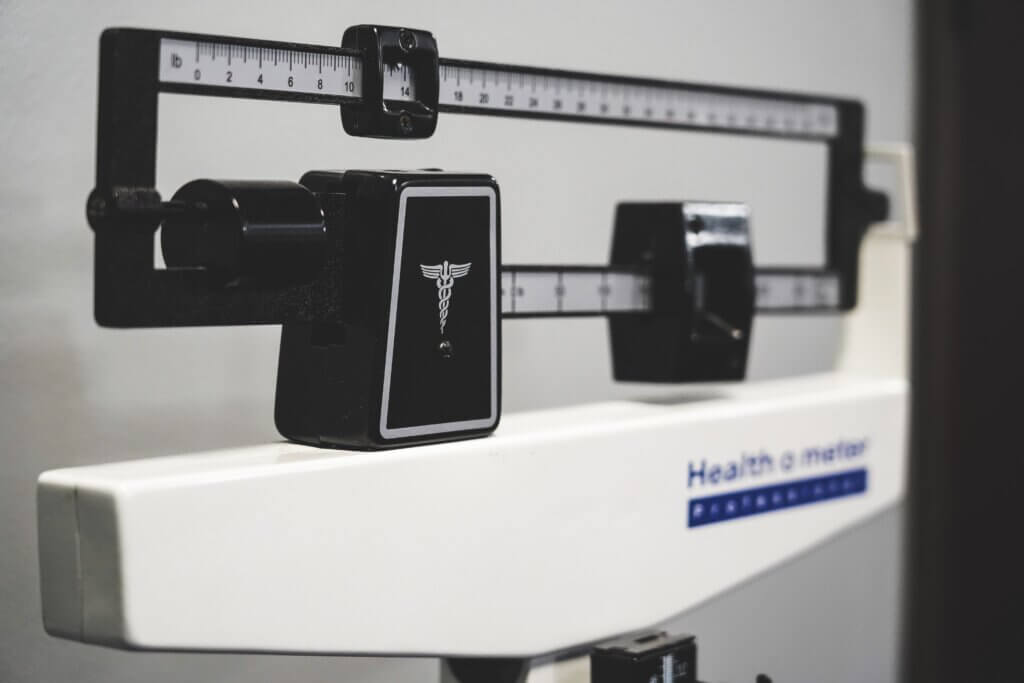
The scale can be a very challenging part of eating disorder recovery. Many of us living with eating disorders may…

Happy Valentine’s Day! This holiday is about so much more than just chocolate and romance, it’s about showing ourselves and…
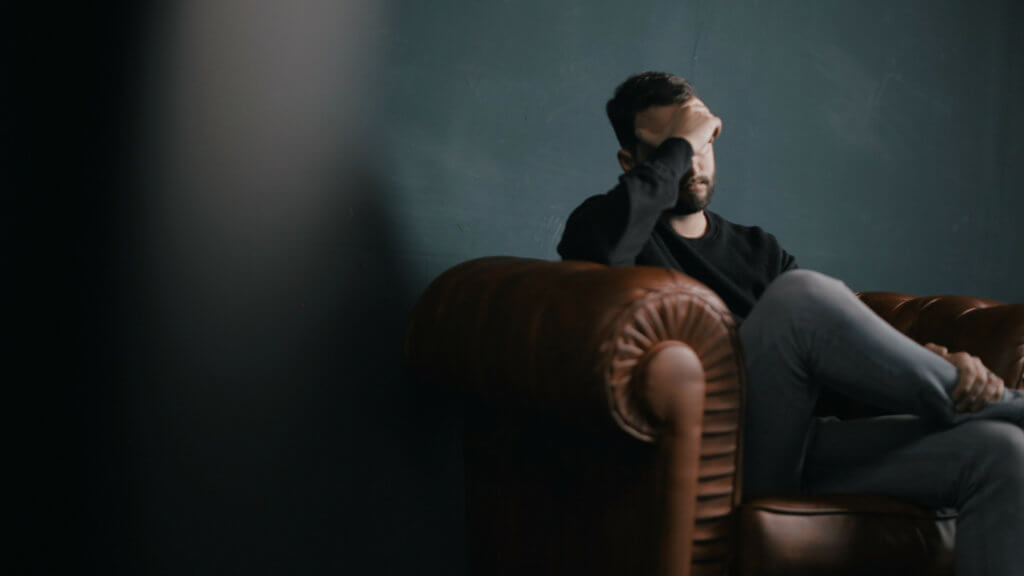
Eating disorders (EDs) are often thought to only affect females; however, the prevalence of EDs in males is on the…

Please note: At Change Creates Change we do not use words such as ‘underweight,’ overweight,’ ‘healthy weight’ or ‘obese’. What…
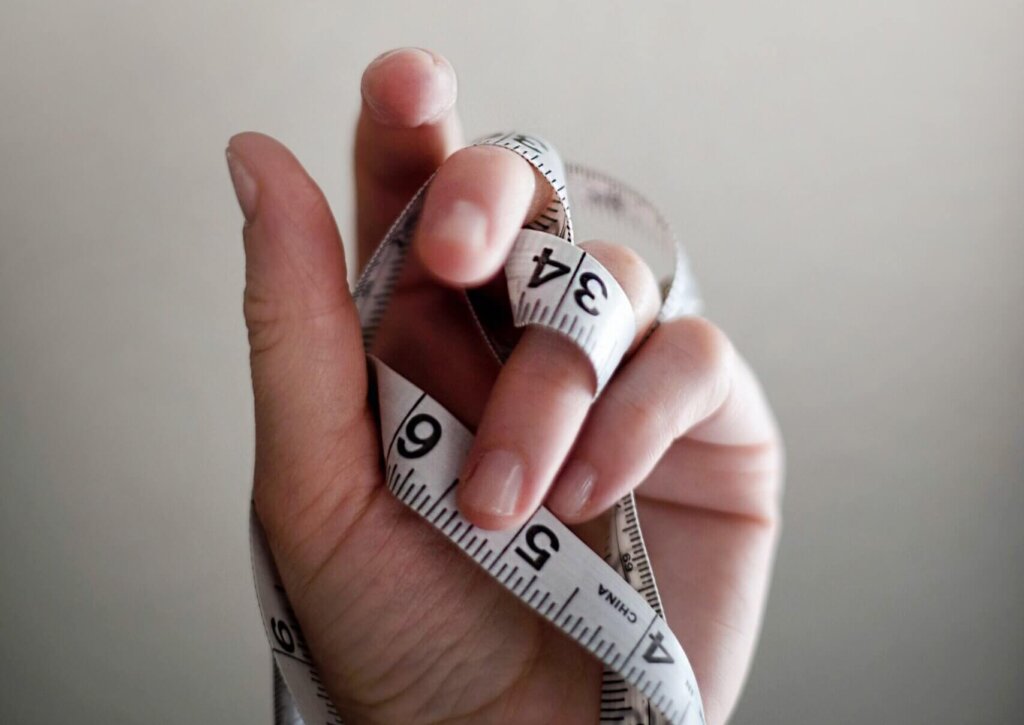
Please note: At Change Creates Change, we avoid talking about dieting, weight loss, and weight gain. However, we will refer…
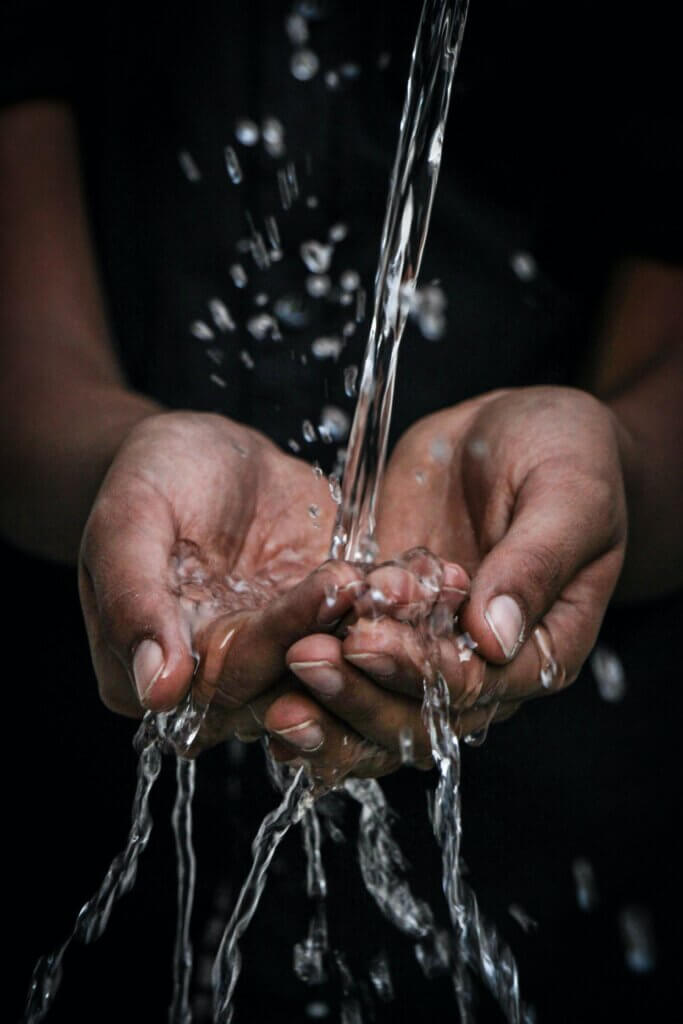
Folks living with eating disorders, particularly Anorexia Nervosa and Bulimia Nervosa, are at a higher risk of dehydration. Severe dehydration…
519-639-6090 (Ontario)
709-835-0270 (Atlantic)
info@changecreateschange.com
Fax 1-844-430-0206